

This post may contain affiliate links. Please read our disclosure policy.
The first time I made chicken biryani at home, I was surprised by how manageable it actually was. Yes, there are a few components, but each one is straightforward, and the result is a pot of fragrant, layered rice and tender spiced chicken that tastes like something truly special.
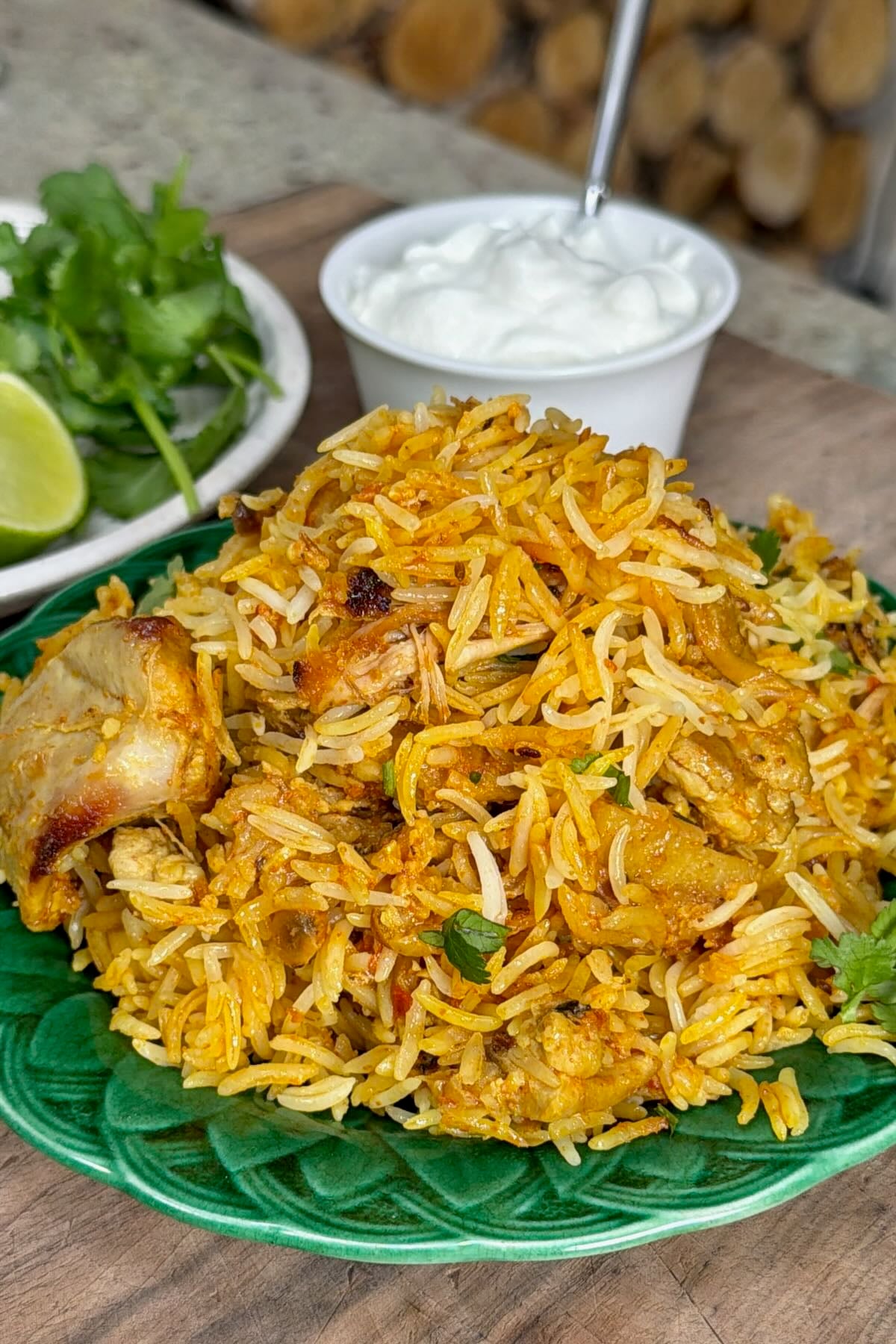
The key to this recipe is building flavor at every stage, from infusing the chicken in yogurt and spices, to frying the onions until they are deeply golden, to finishing the whole dish with a gentle steam so the rice absorbs everything underneath it. The slow cook ensures the chicken is tender, juicy, and flavorful. And the addition of potatoes makes this a complete, filling meal on its own – so hearty and satisfying.
If you love cozy, satisfying chicken dinners, you might also enjoy my butter chicken, which uses a similar warm spice profile in a rich, creamy sauce.
Chicken biryani ingredients
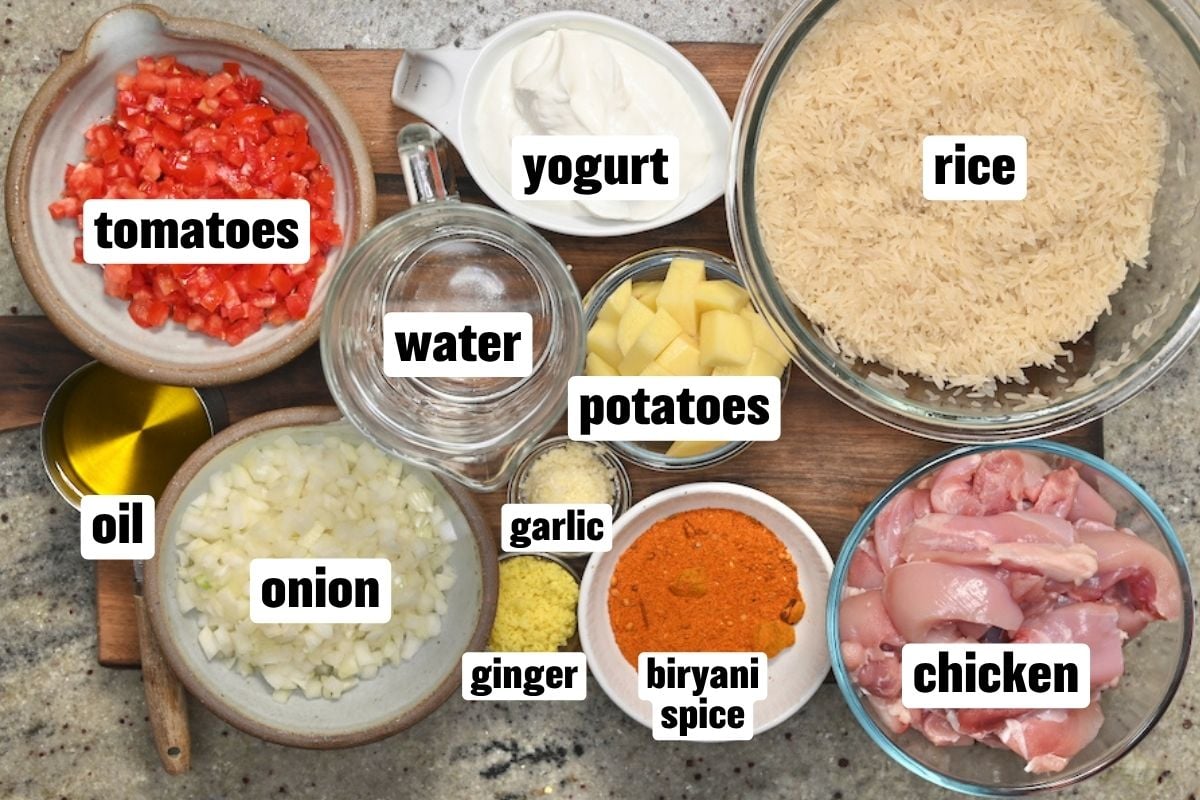
- Chicken: use bone-in or boneless thighs, breast, or a mix. Thighs stay the most tender and juicy during cooking.
- Vegetables: Tomatoes, as the base of the curry sauce, and potatoes, to make the dish more filling.
- Aromatics: Onions, for sweetness and depth, and garlic and ginger, freshly minced for the best flavor. You can use a fine grater or a small food processor. Jarred minced garlic works too.
- Plain yogurt: full-fat plain yogurt tenderizes the chicken and adds a gentle tang to the curry base.
- Biryani masala: a store-bought biryani spice mix works well here. If you prefer, garam masala is a reasonable substitute, though the flavor will be slightly simpler.
- Cooking oil: choose a neutral cooking oil.
- Basmati rice: long-grain aged basmati rice is the best choice. Rinse it well before cooking to remove excess starch.
- Salt: to season the rice.
- Water: to cook the chicken and the rice.
See printable recipe card below for the full ingredients list and quantities.
How to make chicken biryani
Start by rinsing the basmati rice several times under cold water until the water runs mostly clear. Set it aside to drain while you prepare the curry base.
Heat the oil in a large, heavy-bottomed pot over medium heat. Add the finely sliced onions and fry, stirring often, until they are a deep, rich golden brown. This takes about 15 to 20 minutes and is worth the patience. The onions should be soft, sweet, and fragrant, not burnt.
Add the diced tomatoes and continue frying, stirring occasionally, until the tomatoes break down completely and the oil visibly separates from the mixture. This is your signal that the base is ready.
Add the chicken pieces, minced garlic, minced ginger, plain yogurt, quartered potatoes, and biryani spice mix to the pot. Stir everything together well and fry on medium heat for about 10 minutes, turning the chicken so it colors lightly on all sides.
Pour in the water, stir, and reduce the heat to low. Cover the pot and cook until the chicken is tender and the potatoes are cooked through, about 20 to 25 minutes.
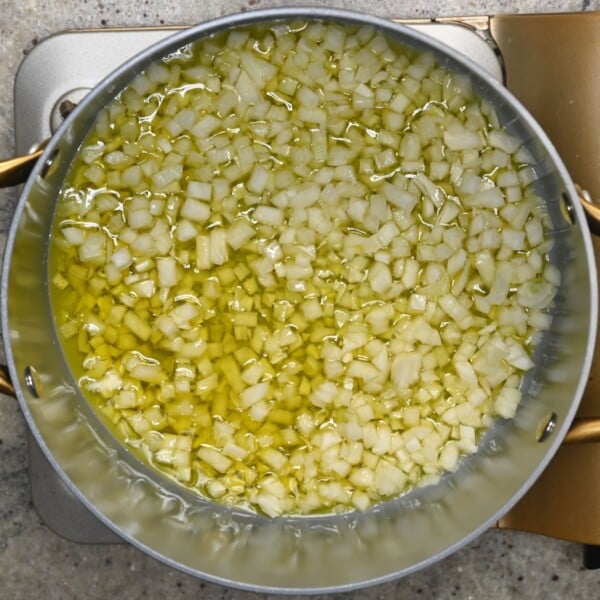 1. Cook the onions
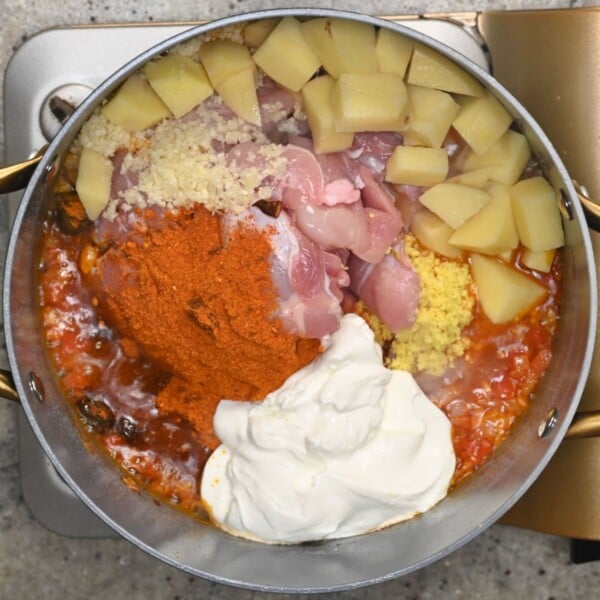 3. Add the other ingredients
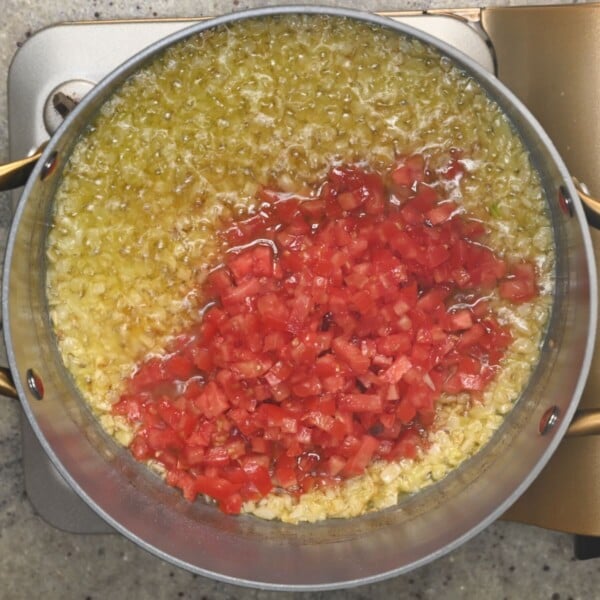 2. Add tomatoes
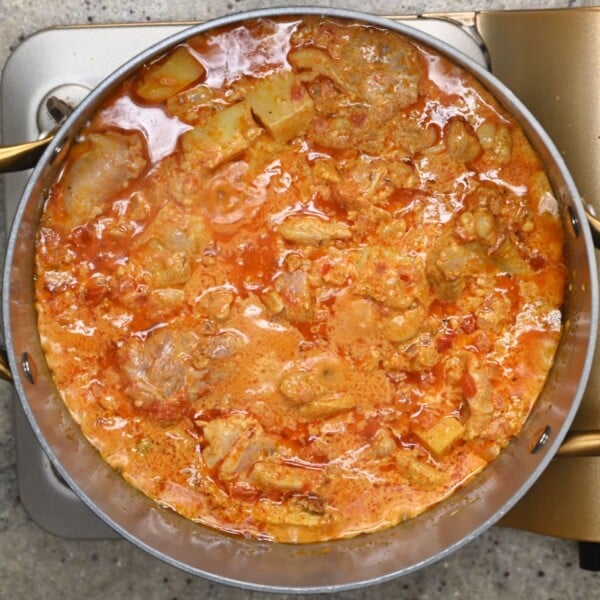 4. Cook until the chicken is tender
Once the chicken is done, remove the lid, increase the heat slightly, and stir-fry until the oil separates again and the curry thickens. This step concentrates the flavor and prevents the biryani from becoming watery. Remove from heat and set aside.
While the curry is cooking, bring a large pot of water to a rolling boil and stir in the salt. Add the drained basmati rice and boil uncovered until the rice is about three-quarters cooked. The grains should be slightly firm in the center when you bite one. Drain the rice thoroughly in a colander.
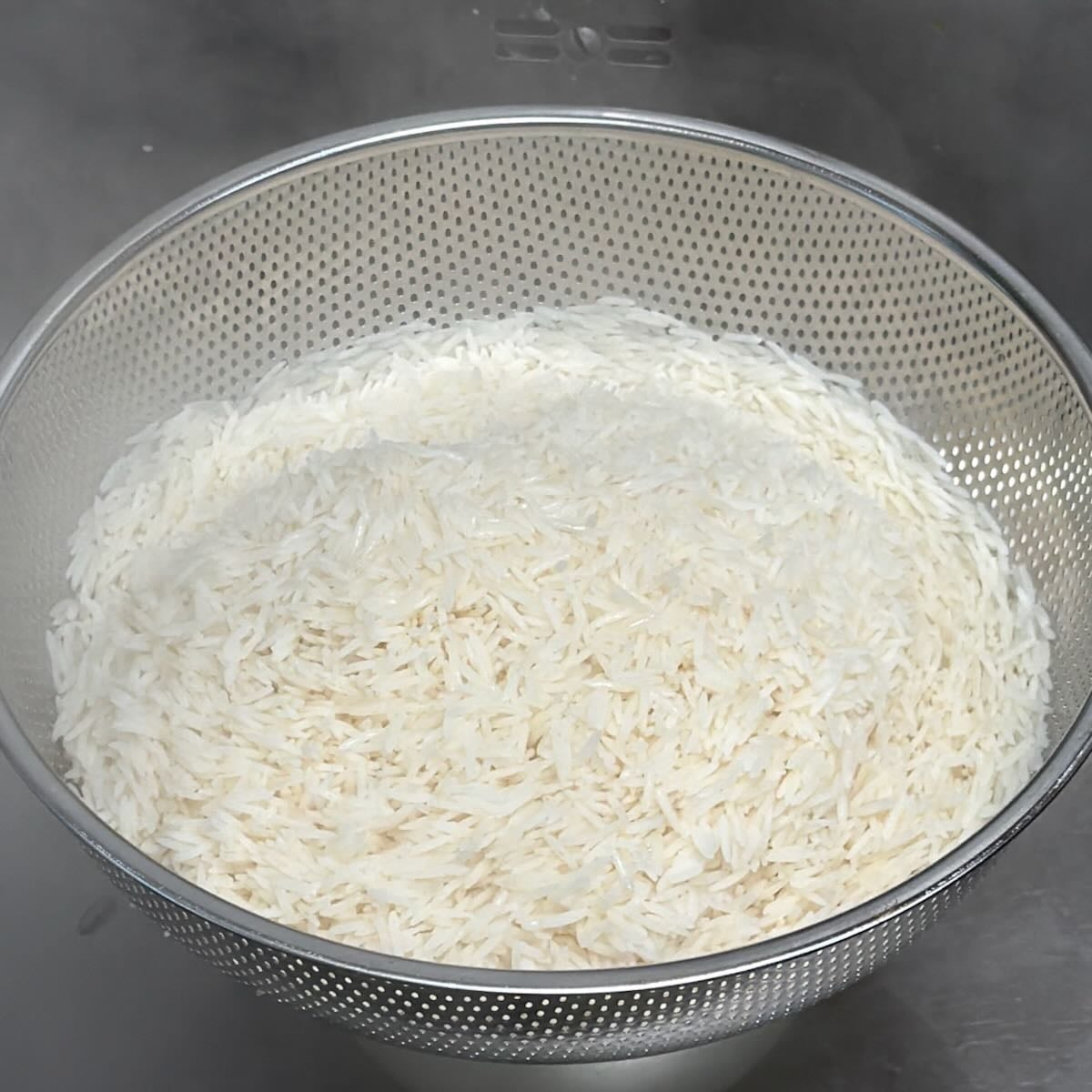 5. Cook the rice al dente, then drain it
To assemble, spread half of the drained rice in an even layer across the bottom of a large, heavy pot. Spoon the chicken curry evenly over the rice layer. Top with the remaining rice, spreading it gently to cover.
Place the lid on tightly, reduce the heat to very low, and cook for 5 to 10 minutes until the rice is fully cooked through and has absorbed the steam from the curry below. Remove from heat and allow to rest with the lid on for 5 minutes before serving.
Gently fold the biryani together before serving so each portion gets some of the spiced chicken, potato, and fluffy rice. Serve hot straight from the pot.
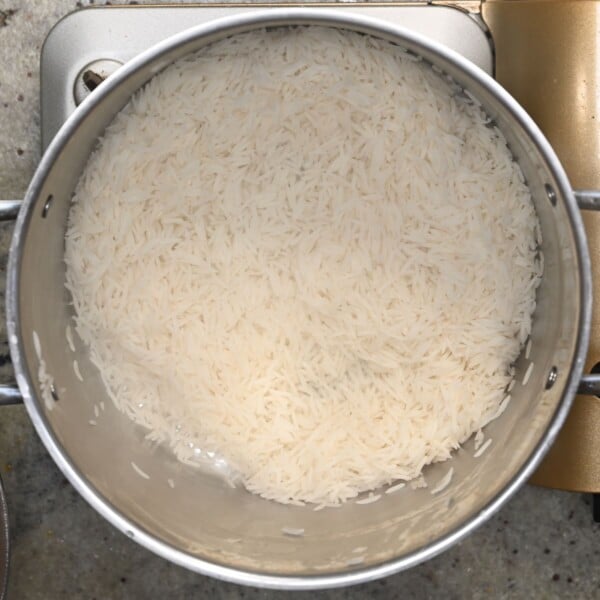 6. Add a layer of rice
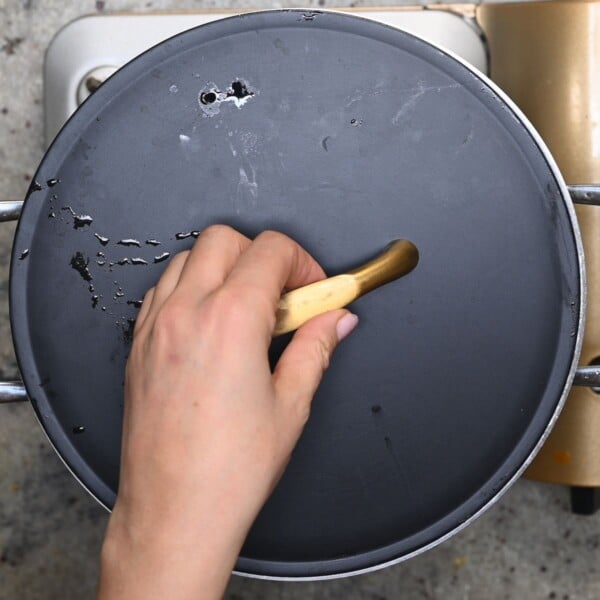 8. Top with rice, then cover the pot
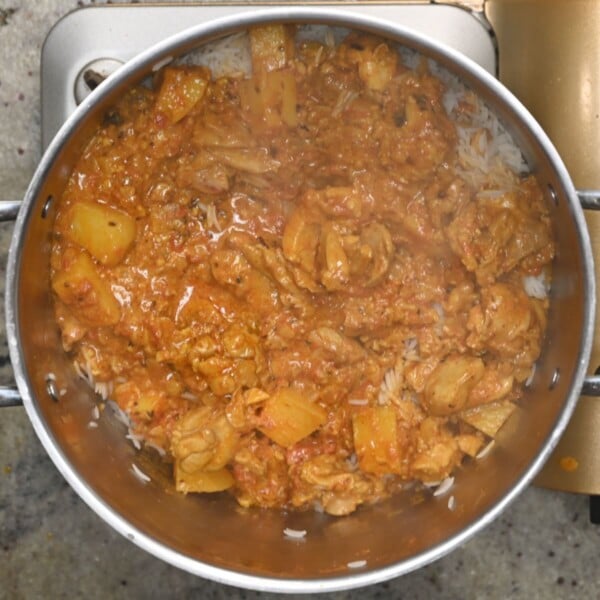 7. Add the chicken curry
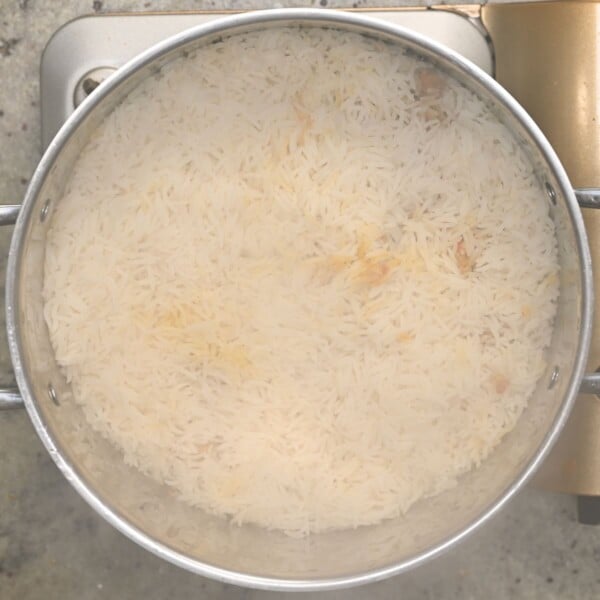 9. Cook until the rice is fully cooked
Do not skip the step of frying until the oil separates when cooking the tomato and onion base, and again after adding the chicken. This is the key to a rich, deeply flavored curry that will infuse the rice during the final steam.
What to serve with chicken biryani
Chicken biryani is a complete, hearty meal on its own, but a few simple sides make it even better. Serve it with a cool, creamy raita or a simple cucumber yogurt salad to balance the warm spices. A fresh cucumber and onion salad adds a bright, crunchy contrast.
Garlic naan on the side is always a hit for scooping up any extra curry sauce. For drinks, a cold mango lassi is a classic and refreshing pairing that complements the spices beautifully.

Storage and reheating
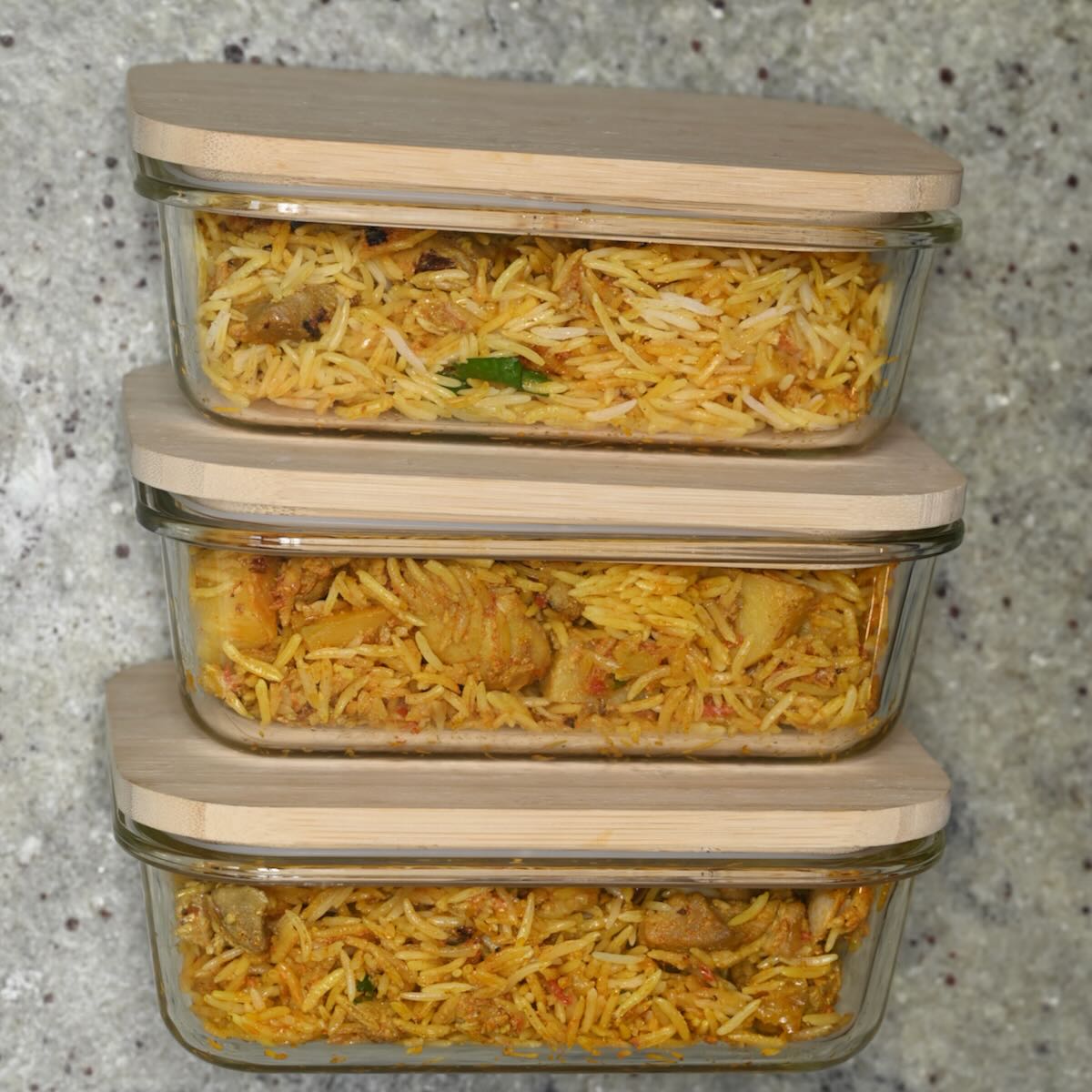
- Fridge: Store leftovers in an airtight container for up to 3 days.
- Freezer: Freeze in a freezer-safe airtight container for up to 2 months. Thaw overnight in the fridge before reheating.
- Reheat: Warm in the microwave in 60-second bursts, stirring between each, until heated through. You can also reheat in a covered pan on low heat with a splash of water to prevent the rice from drying out.
FAQs
Yes, you can use boneless chicken breast. Cut it into smaller pieces and watch the cooking time carefully since breast meat cooks faster and can dry out if overcooked. Chicken thighs are more forgiving and stay juicier, especially during the final steam step.
You can prepare the chicken curry base a day ahead and refrigerate it. When ready to serve, parboil the rice fresh, assemble, and steam as directed. The flavors in the curry base actually deepen overnight, which makes the biryani taste even better.
The most common cause is overcooked parboiled rice. The rice should be only about three-quarters done when you drain it. It will finish cooking during the final steam step. Also make sure to drain the rice thoroughly so no excess water carries into the pot.
More chicken dinners to try
If you enjoyed this chicken biryani, here are a few more satisfying chicken recipes to add to your rotation.


If you made this chicken biryani recipe, please leave a rating and a quick comment. Your feedback supports the blog and helps other readers.

Chicken Biryani
Equipment
Ingredients
For the chicken curry
- 2.2 lb chicken bone-in thighs, breast, or a mix, cut into portions
- 3 onions medium, finely sliced (about 10 oz)
- 3 tomatoes medium, diced (about 10 oz)
- 2 potatoes medium, peeled and quartered (about 8.5-9 oz)
- 1 cup plain yogurt full-fat
- 1 tablespoon minced garlic
- 1 tablespoon minced ginger
- 2-3 tablespoons biryani masala or garam masala as a substitute
- 1 cup cooking oil
- 2 cups water
For the rice
- 3 1/2 cups basmati rice rinsed and drained
- 15 cups water
- 3 tablespoons salt
Instructions
- Rinse the basmati rice several times under cold water until the water runs mostly clear. Set aside to drain while you prepare the curry.
Cook the chicken
- Heat the oil in a large, heavy-bottomed pot over medium heat. Add the finely sliced onions and fry, stirring often, until they are a deep, rich golden brown, about 15 to 20 minutes. Do not rush this step and do not let them burn.
- Add the diced tomatoes and continue cooking, stirring occasionally, until the tomatoes break down completely and the oil visibly separates from the mixture, about 8 to 10 minutes.
- Add the chicken pieces, minced garlic, minced ginger, yogurt, quartered potatoes, and biryani spice mix. Stir well to coat everything in the sauce. Fry on medium heat for 10 minutes, turning the chicken occasionally.
- Pour in the water, stir, and reduce the heat to low. Cover and cook until the chicken is tender and the potatoes are cooked through, about 20 to 25 minutes.
- Remove the lid, increase the heat to medium, and stir-fry until the oil separates again and the curry thickens, about 5 minutes. Remove from heat and set aside.
Par cook the rice
- While the curry cooks, bring 15 cups of water to a rolling boil in a large pot. Stir in the salt. Add the drained basmati rice and boil uncovered, stirring once or twice, until the rice is about three-quarters cooked. The grains should still have a firm center when you bite one, about 7 to 9 minutes. Drain immediately and thoroughly in a colander.
Assemble and finish cooking
- Spread half of the drained rice in an even layer across the bottom of a large, clean heavy-bottomed pot. Spoon the chicken curry evenly over the rice. Top with the remaining rice, spreading it gently to cover all the curry.
- Place the lid on tightly. Cook over very low heat for 5 to 10 minutes, until the rice is fully cooked through and has absorbed the steam rising from the curry below.
- Turn off the heat and allow the biryani to rest, covered, for 5 minutes. Gently fold the layers together before serving so each portion includes rice, chicken, and potato. Serve hot.
Notes
- Chicken: Bone-in thighs are the most flavorful and stay juicy. Boneless thighs also work well. If using chicken breast, cut into smaller pieces and reduce the cooking time slightly to avoid dryness.
- Biryani Masala: Store-bought biryani spice mix is ideal. Garam masala is a good substitute but the flavor will be slightly simpler.
- Rice: Use aged long-grain basmati rice for the best texture. Drain the parboiled rice as soon as it reaches the three-quarters-cooked stage to prevent mushiness during the final steam.
- Oil separating: When the oil visibly separates from the curry base, that is the signal that the moisture has cooked off and the flavors have concentrated. Do not skip this step.
- Make ahead: The chicken curry base can be made a day ahead and refrigerated. Parboil the rice fresh when ready to assemble and steam. Keep any leftovers in the fridge for up to 3 days or freeze them for up to 2 months.
Nutrition
Nutrition information is automatically calculated, so should only be used as an approximation.









The husband loved this! And I enjoyed making it. Definitely adding it to my rotation. Thank you so much!
Glad you both liked it, Anisa. Thank you so much for commenting 🙂